
Healthcare Professionals

Clearblue® Ultra Early ADVANCED Pregnancy Test
Highly sensitive, can be used up to 6 days before the missed period1
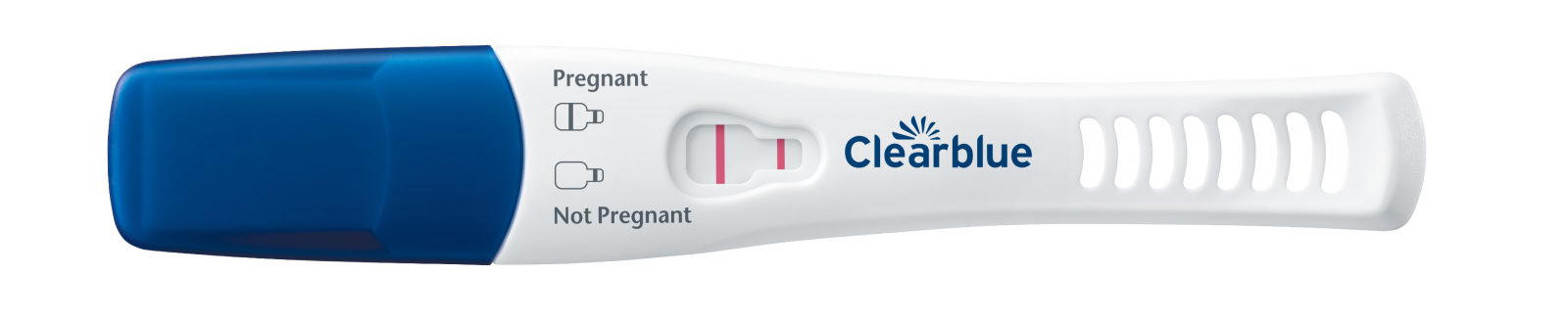
The Clearblue® Ultra Early ADVANCED Pregnancy Test is a highly sensitive pregnancy test (10 mIU/mL), allowing women to test as early as 6 days before the missed period, which is 5 days before the day of the expected period.1
In clinical testing with early pregnancy samples, Clearblue® Ultra Early ADVANCED Pregnancy Test gave the following results:
Table 1: Likelihood that a pregnant woman will get a positive (pregnant) result with the Clearblue® Ultra Early ADVANCED Pregnancy Test when testing in the days leading up to the day of the missed period:
| Days before missed period | Pregnancies detected |
| -1 | > 99% |
| -2 | > 99% |
| -3 | > 99% |
| -4 | 98% |
| -5 | 93% |
| -6 | 77% |
The level of human chorionic gonadotrophin (hCG) rises rapidly in early pregnancy. This rise in hCG can vary from woman to woman, therefore not all pregnant women who test before the day of the missed period will get a positive (pregnant) result (see Table 1).
The Clearblue® Ultra Early ADVANCED Pregnancy Test product pack and instructions for use contain clear information regarding early testing, allowing women to make an informed choice about when to test.
Early knowledge of pregnancy enables women to make informed choices about their health and obtain timely antenatal advice from healthcare professionals to make positive changes.2
Download our brochure about the benefits of knowing pregnancy status early
hCG levels in perimenopausal women
Across much of the developed world, women are waiting longer to start a family. According to the European Statistical Office, in 2019 the largest share of mothers over 40 was found in Spain (10%), Italy (8.9%), Ireland (7.9%), and Portugal (7.8%).3
The increasing population of older women seeking to conceive will inevitably result in more perimenopausal women using home pregnancy tests. A study undertaken by Clearblue®, determined the range of urinary hCG in 100 perimenopausal women (aged 40-50 years old) to range between 0-8.9 mIU/mL, with 3% of the volunteers having a concentration of ≥5 mIU/mL hCG. This could potentially lead to an increase in false positive results, should these women use a high sensitivity test.
What is DualSense Technology
Clearblue® has developed the Ultra Early ADVANCED Pregnancy Test which offers high specificity via DualSense Technology, a unique FSH modulated hCG scavenger system. This test offers women the clinical benefits of early testing, and may help prevent false positive results in a very small number of non-pregnant women who may have low levels of hCG in their urine.
Pituitary hCG is produced in conjunction with high levels of FSH in non-pregnant peri- or postmenopausal women, hence their concentrations are highly correlated4,5. Figure 1 illustrates the correlation of FSH and hCG concentrations in urine samples collected from pre-, peri-, and post-menopausal women. This contrasts with the hormone profile observed in pregnancy where hCG concentration rapidly increases and FSH concentration remains low (Figure 2).
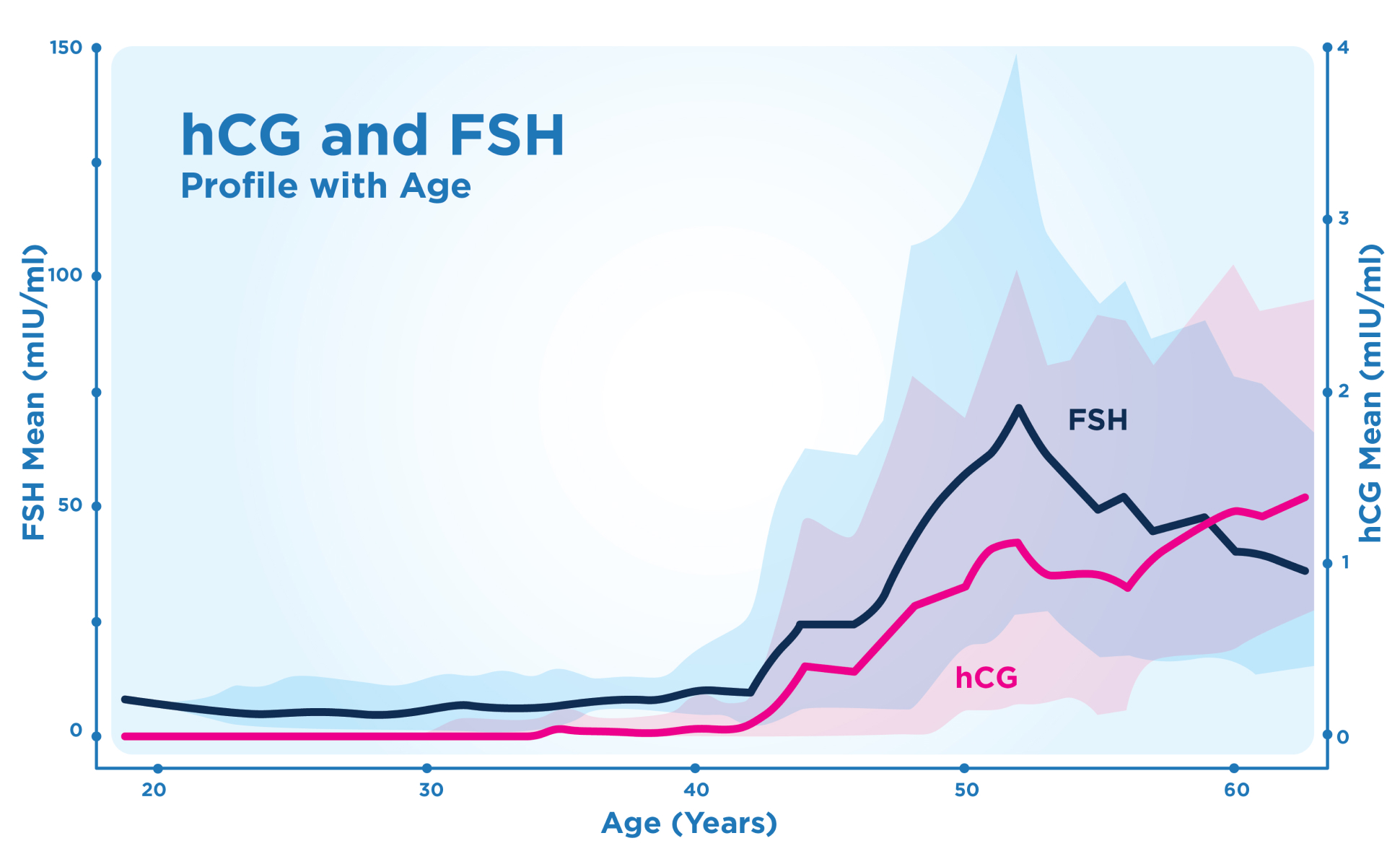
Figure 1: Mean, 10th and 90th centiles of urinary FSH and hCG concentrations in pre-, peri- and post-menopausal women (FSH and hCG in mIU/ml). 397 urine samples (97 pre- (age 18-40), 150 peri- (age 41 to 55) and 150 post-menopausal (age 56-65)) were collected from volunteers who participated in a urine collection study conducted by Clearblue®.
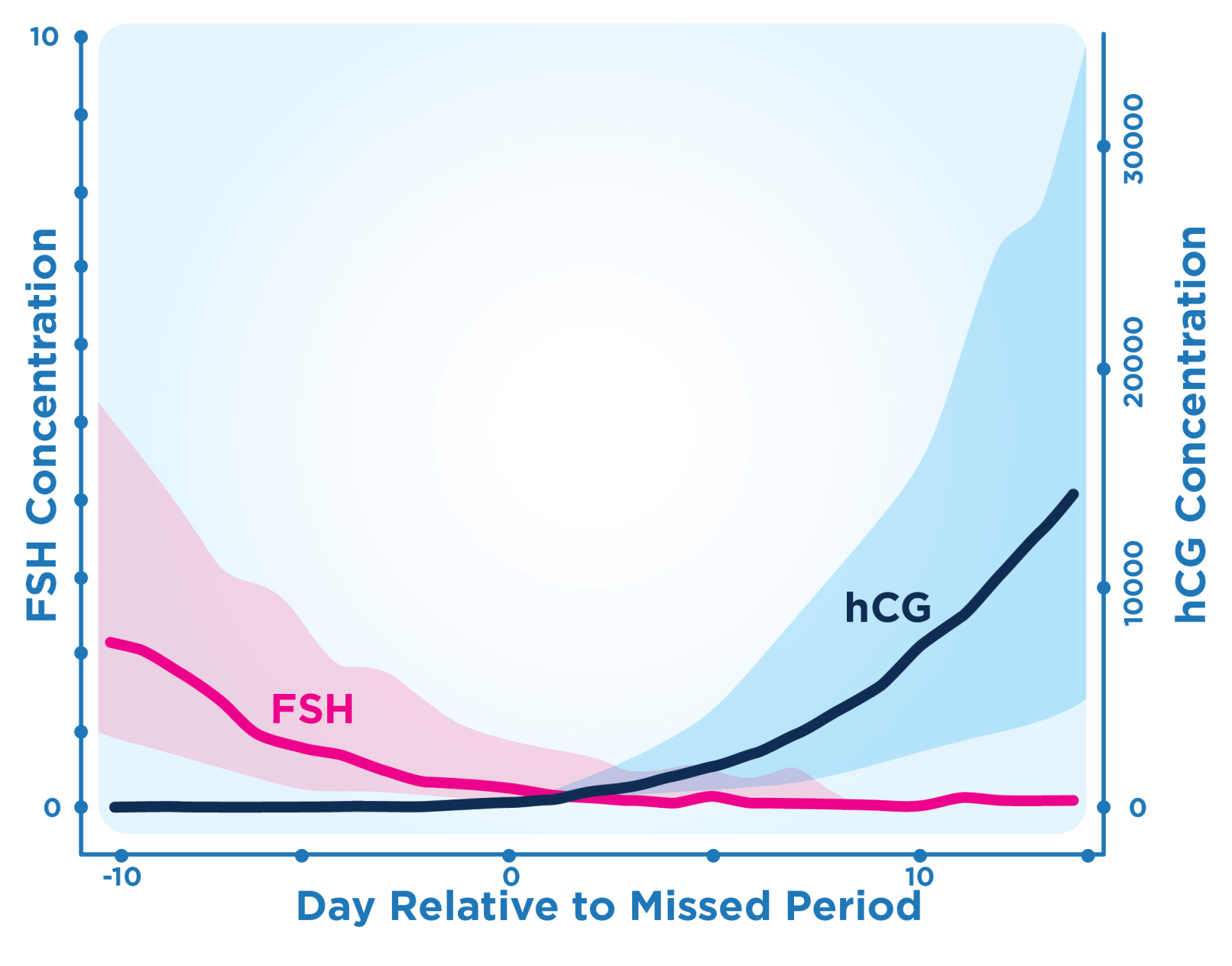
Figure 2: Median, 10th and 90th centiles urinary FSH and hCG concentrations in early pregnancy (FSH and hCG in mIU/ml). 5778 urine samples were collected from 243 volunteers who participated in a urine collection study conducted by Clearblue®.
DualSense Technology utilises the correlation between hCG and FSH levels4,6 to scavenge elevated hCG co-produced with FSH, in perimenopausal women, preventing it from reaching the test window.
In pregnant women FSH remains low, therefore hCG is not scavenged and it is captured at the test line.
Over 99% accurate7
If used on or after the day of the expected period, the Clearblue® Ultra Early ADVANCED Pregnancy Test is more than 99% accurate at detecting pregnancy.7
Innovative and ergonomic design
The innovative design of the Clearblue® Ultra Early ADVANCED Pregnancy Test, the first and only home pregnancy test that can capture 2 hormones, features:
- DualSense Technology – a unique FSH scavenger system designed to help reduce false positives from non-pregnancy related hCG, in the very small number of non-pregnant women who may have low levels of hCG in their urine
- An easy to grip, ergonomically designed handle
- An extra wide tip for easy sampling
- Easy to read results
- Floodguard™ Technology which makes it easier for her to test correctly
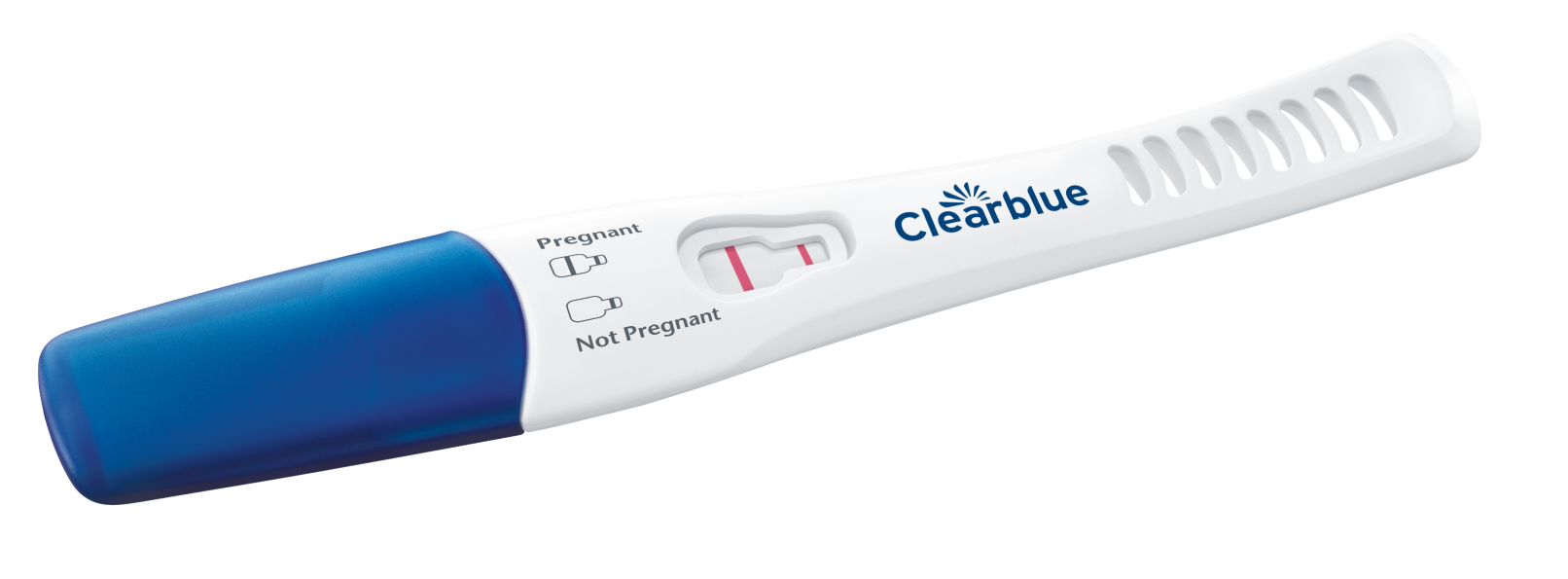
Easy-to-read results
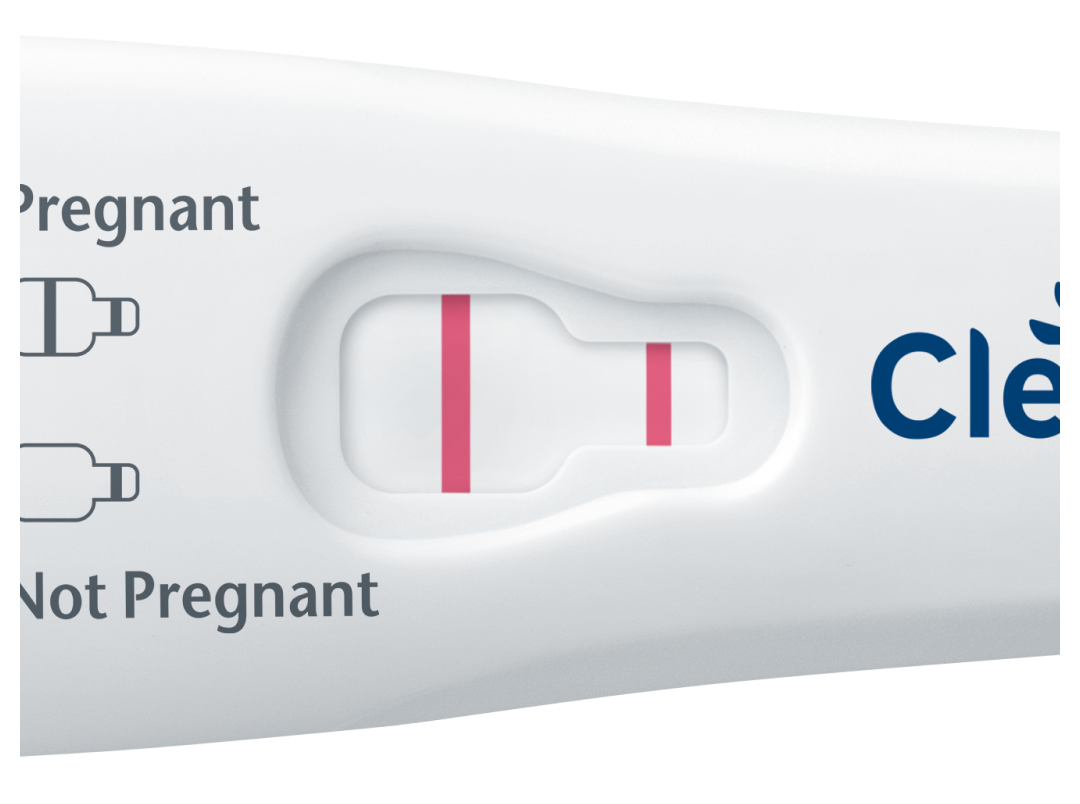
A line in the test window and the small control window indicates a positive (Pregnant) result. It does not matter how faint the test line is; the result is still positive.
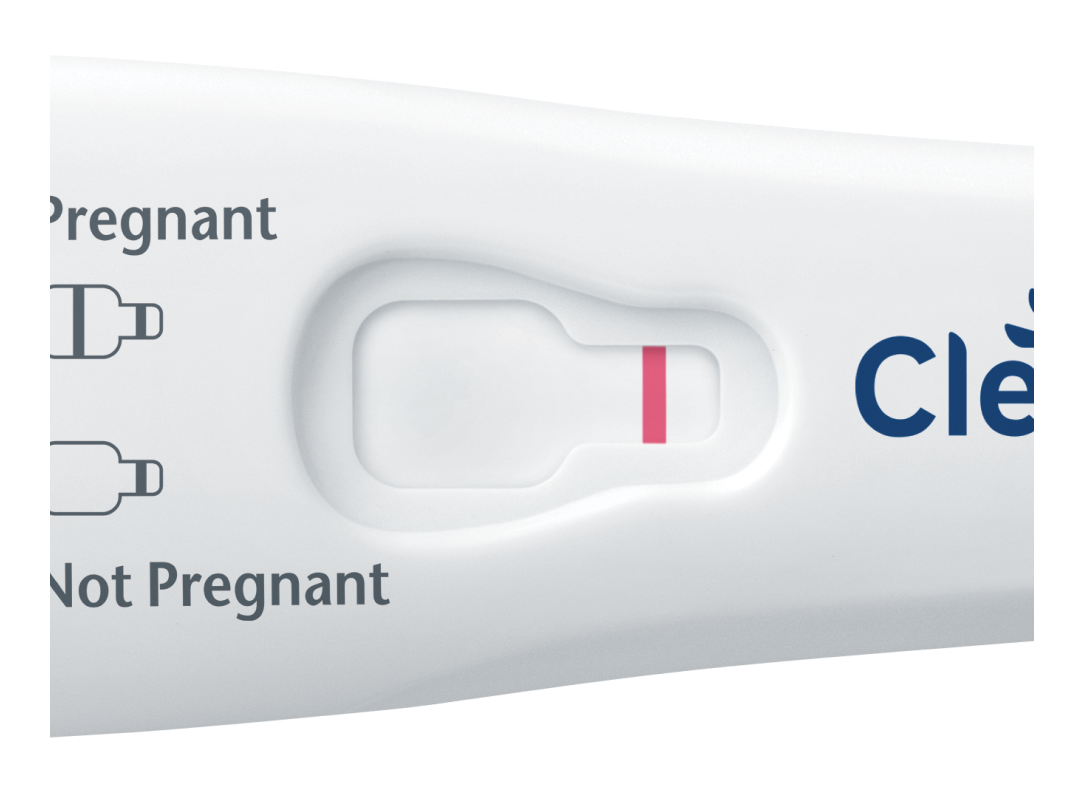
A single line in the control window only indicates a negative (Not Pregnant) result. Women who receive an initial negative result when testing early should test again on the day of their expected period.
- In lab testing Clearblue Ultra Early Advanced detected pregnancy in 77% of women 6 days before the missed period, 93% 5 days before, 98% 4 days before and greater than 99% of pregnancies were detected from 3 days before the missed period.
- Minkin MJ. Embryonic development and pregnancy test sensitivity: the importance of earlier pregnancy detection. Womens Health (Lond). (2009) 5: 657–667.
- European Statistical Office. (n.d.). Population and social conditions. Share of Births to Mothers over 40 More than doubled between 2001 and 2019. Retrieved May 20, 2025, from https://ec.europa.eu/eurostat/cache/digpub/demography_2021/bloc-2b.html
- Snyder JA, Haymond S, Parvin CA, Gronowski AM, Grenache DG. Diagnostic considerations in the measurement of human chorionic gonadotropin in aging women. Clin Chem. 2005 Oct;51(10):1830-5.
- Zinaman, Michael J. MD; Johnson, Sarah PhD; Warren, Graham PhD. HCG and FSH Levels During Early Pregnancy and Reproductive Aging [24A]. Obstetrics & Gynecology 135():p 14S, May 2020. DOI: 10.1097/01.AOG.0000663040.89933.37
- Gronowski AM, Fantz CR, Parvin CA, Sokoll LJ, Wiley CL, Wener MH, Grenache DG. Use of serum FSH to identify perimenopausal women with pituitary hCG. Clin Chem. 2008 Apr;54(4):652-6.
- From the day you expect your period.